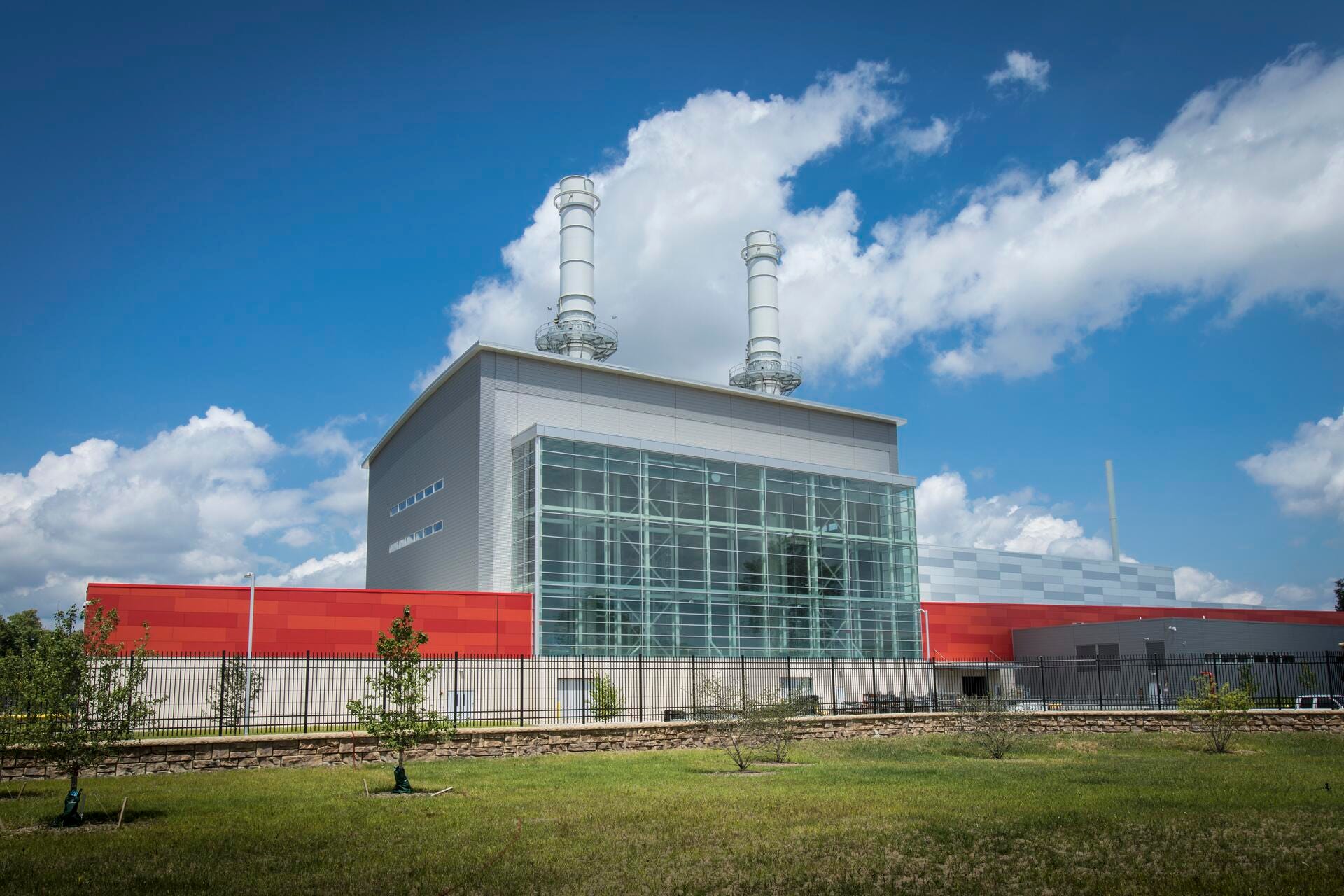
Enhancing energy security with industrial combined heat and power (CHP) solutions
In July 2024, Hurricane Beryl became the earliest hurricane to reach Category 5 strength on record in the Atlantic Basin. The National Oceanic and Atmospheric Administration (NOAA), part of the United States Department of Commerce, predicts above-normal hurricane activity in the Atlantic basin this year - an 85 percent chance of an above-normal season. Homes and businesses must plan for extreme weather.
This is particularly crucial for facilities that operate 24 hours a day, such as hospitals, dormitories and factories. These facilities are now in a tight competition for energy resources as the United States is experiencing a resurgence of investment and expansion in many industries, changing the supply and demand mix in the transmission network. Increased domestic manufacturing and an influx of new data centers are creating competition for reliable electrical supplies.
The industrial sector should anticipate these changes and maintain a position of flexibility that maximizes reliability within the fence-line at the lowest cost.
Optimizing industrial combined heat and power for lower emissions
CHP is suite of technologies that can use a variety of fuels to generate electricity or power at the point of use, allowing the heat that would normally be lost in the power generation process to be recovered and distributed for either heating or cooling. The difference between onsite CHP and central station power plants is that the waste energy from the process of making electricity is used to a much greater extent, achieving efficiencies of 80 -90%. These high efficiencies can reduce a facility’s carbon footprint by reducing Scope 2 and 3 emissions. (Scope 2 is indirect emissions through purchased energy, such as electricity consumption, and Scope 3 is indirect emissions in the upstream and downstream supply chain). CHP technology can be deployed anywhere – quickly and cost-effectively.
CHP has been used for many years, mostly in industrial, large commercial and institutional applications. Without much fanfare, CHP systems have been providing highly efficient electricity and indoor climate control to vital industries, large employers, urban centers and campuses.
In our analysis, there is no ‘one size fits all’ solution, but combined heat and power is a solution for the multiple threats faced by many industries: eroding reliability, increasing electricity prices, and the growing pressure to reduce carbon emissions.
Enhancing natural gas efficiency with industrial combined heat and power solutions
According to our new whitepaper, an industrial plant can effectively almost double the efficiency of the use of natural gas. Natural gas is being produced in volumes 50 percent greater than a decade ago and can be obtained by industrial users at close to the same cost as power utilities to fuel their CHP plants. On-site generation also offers a buffer against increasing electricity prices, eliminates transmission losses, reduces the need for electrical upgrades, enhances reliability, and provides more potential for electrification of process heat with lower-cost electricity.
Combining core CHP technologies
Each technology plays separate and unique roles in CHP operations. Core technologies include workhorse products such as gas turbines, stream turbines, and reciprocating engines. To get to 90% efficiency with minimal CO2, these core products then can be combined with other technologies such as Mechanical Vapor Recompression (MVR), which increases low-grade steam to higher temperatures and pressures using a special purpose compressor, and/or industrial heat pumps, which use all the available energy rejected in the electrical generation process.
Industrial heat and power: enabling future technologies and fuels
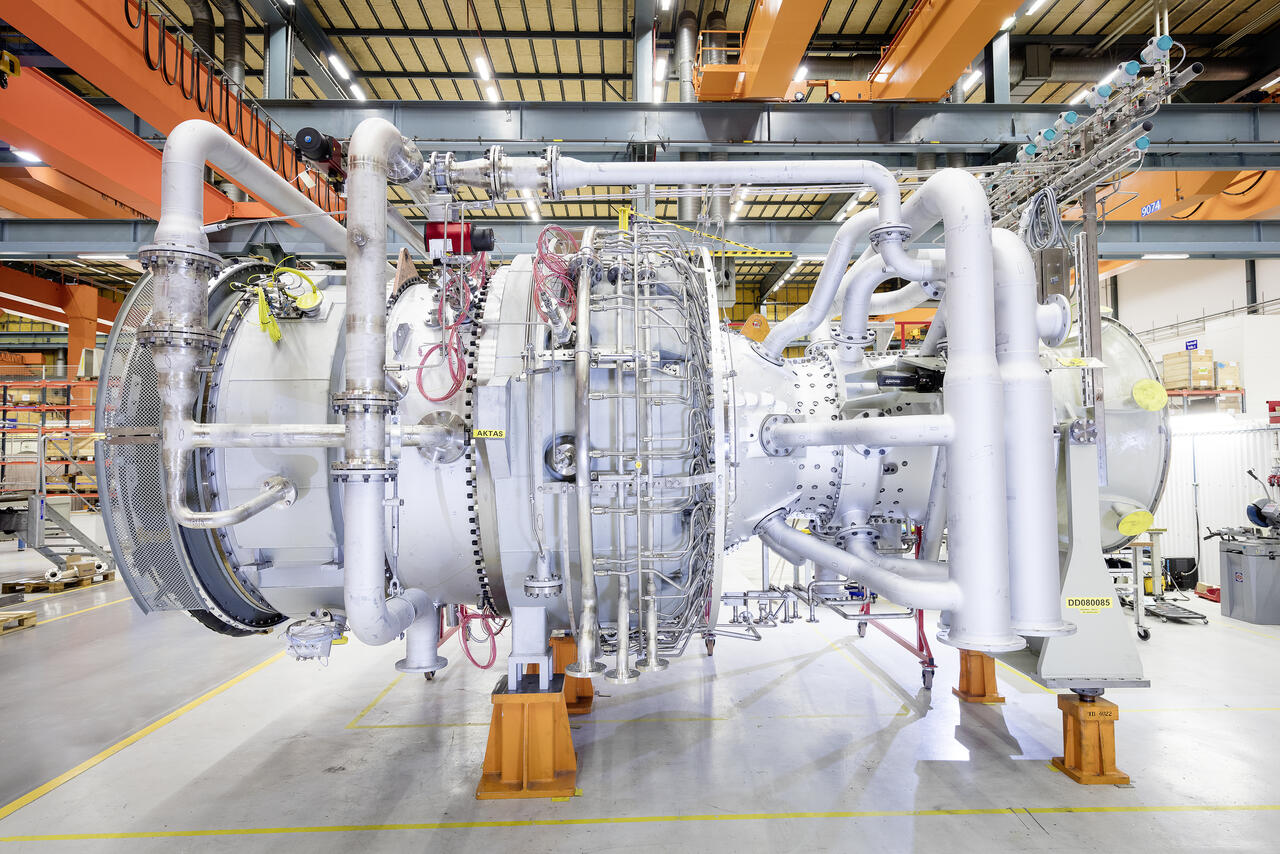
Currently, the grid is overloaded, and it will take a long time to enhance and expand it, due to permits and supply chain constraints. This will result in further reliability issues, which extreme weather conditions also will exacerbate. CHP can help with not overloading the grid, as well as minimizing extreme weather concerns and risks. It also can be a gateway to future technologies and fuels while providing a backup to the grid for industrial facilities.
For sound financial reasons, industrial processes are optimized to maximize production efficiency. Typically, these reductions are achieved using the least disruptive means: process optimization, fuel switching, and electrification. As the required next step in long-term resource planning, many are evaluating new technologies such as carbon capture, hydrogen and novel energy concepts for practical applications in the future.
Why CHP – combined heat and power?
For example, switching to hydrogen-based fuels when they become more readily available via infrastructure or even onsite generation, a gas turbine in a CHP plant can become 100% carbon free.
Dispatchable CHP and cogeneration already serve indirectly as an energy storage solution in some cases. The unique cyclic nature of wind and solar energy cannot always be meshed with demand, regardless of the size of the installed base. A CHP with grid connectivity could balance the supply and effectively provide grid support.
CHP also lends itself well to the many novel electrical energy storage concepts being explored involving physical, electrical, thermal or chemical storage. These include electrochemical energy storage such as lithium-ion batteries and injecting and extracting heat from solid masses or flowing liquids and gases.