Is the steam turbine a key to North America's energy transition?
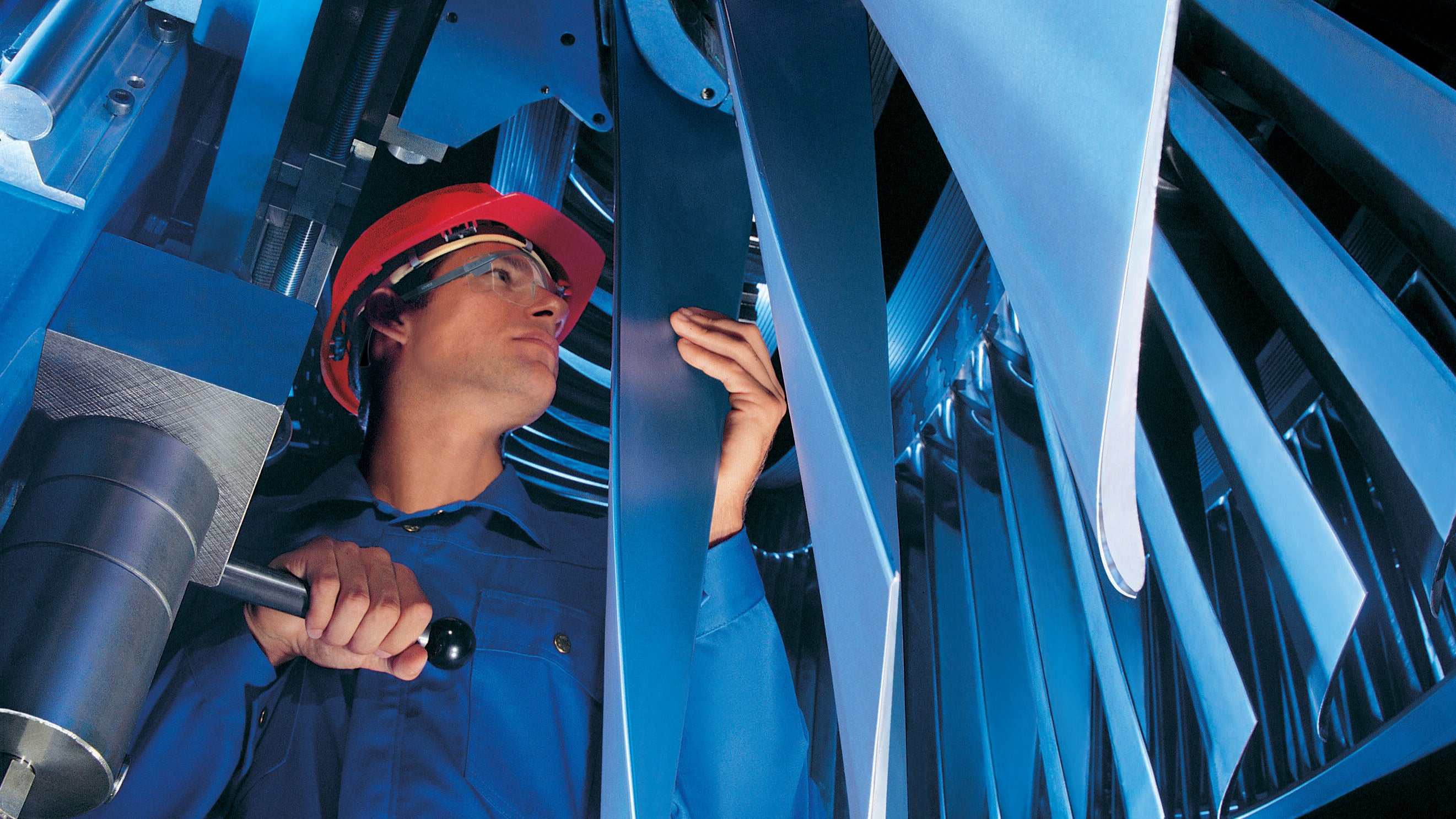
Steam turbines are a prime example. These unsung heroes of modern infrastructure are the backbone of power generation in North America, converting heat into electricity to keep our homes, businesses, and industries running smoothly. Currently, the steam turbine market is flourishing with growth in traditional power generation, newer forms of energy, and especially in the decarbonization of the industrial sector.
Revitalizing nuclear energy in North America
North America is experiencing a renaissance in nuclear power. In every form – from the big traditional nuclear plants to ones that use sodium to small modular reactors (SMR) – steam turbines are needed.
Omterra’s scope for nuclear focuses on the “conventional island,” providing individual components ranging from steam turbines and generators to transformers to information and control equipment.
An example: we will provide twelve new low-pressure steam turbines to Constellation Energy as part of its effort to increase the output of the Braidwood and Byron Clean Energy Centers in Illinois. Through these investments, the two plants will generate an additional ~135 megawatts of carbon-free electricity - enough to power 100,000 homes around the clock for an entire year. As existing nuclear plants apply to the Nuclear Regulatory Commission to extend their lifetimes, they will need equipment upgrades, including steam turbines.
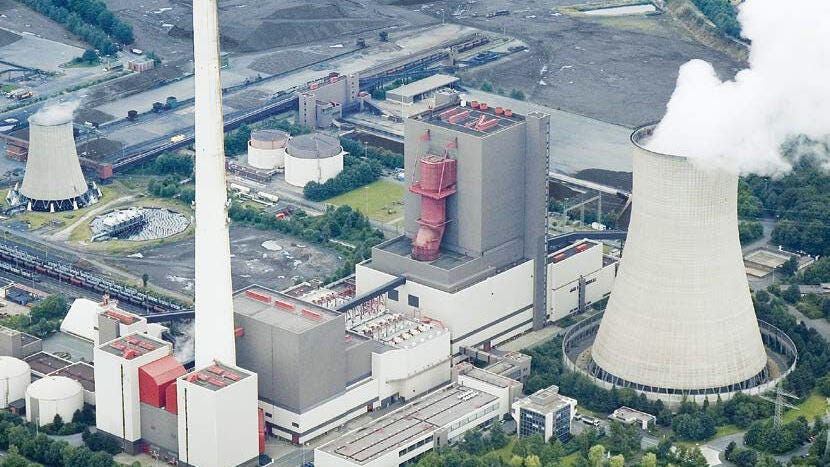
In addition to extending the lives of nuclear plants, steam turbines are a key piece of reviving shuttered plants by pairing with emerging technology. Holtec International plans to reopen the Palisades nuclear plant in Covert Township, Michigan. Omterra will be a key partner in this project - inspecting and refurbishing the plant and extending its life through their current operating license and any potential extensions.
SMRs – a promising new player in North America's energy transition
Holtec also plans to locate two small modular reactors (SMR) onsite and steam turbines are also necessary to generate electricity from this next-generation technology.
An SMR is a type of nuclear fission reactor that is built offsite, transported, and installed at a location for use in power generation or other industrial applications. SMR are a promising new player in the nuclear power renaissance in North America.
Omterra is pursuing several relationships in the small modular reactor space where our rotating equipment of the power conversion system (conventional island) plays a key role. Omterra is the preferred supplier for fast fission clean power technology and nuclear fuel recycling company Oklo Inc. in the development of their Aurora powerhouse product.
What is a steam turbine?
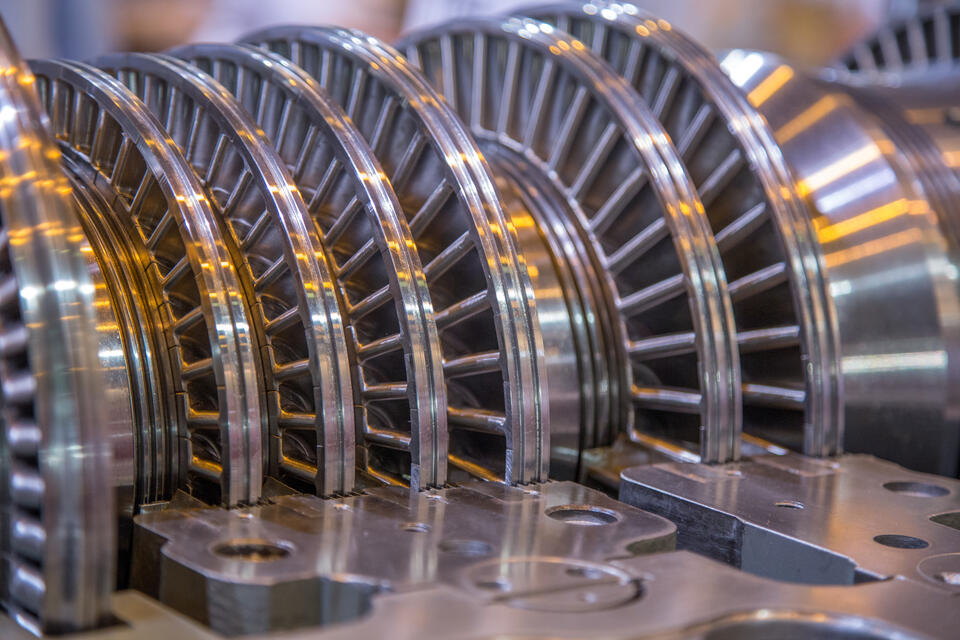
For more than a century throughout North America, steam turbines have been used in coal, natural gas, and nuclear power plants. In these plants, water is heated to create steam. This pressurized steam rotates the turbine blades to drive a generator, which produces electricity. New turbine technology has made this equipment more efficient which leads to reduced emissions. This makes steam turbines key for shifting to cleaner energy sources.
Many industries use steam turbines not only for power generation but also for various applications. Industries like oil and gas, chemical manufacturing, and paper production depend on steam turbines. They use these turbines for generating process steam and for mechanical drives.
Steam turbines help improve efficiency and reduce energy costs. This makes them essential in helping many manufacturing processes achieve net zero emissions.
Harnessing solar power with steam turbines in North America
Omterra steam turbines are also active in concentrated solar power projects in California, including the Ivanpah solar thermal power plant in the Mojave Desert. Concentrated solar power plants in Nevada and Arizona use Omterra steam turbines today as well. In these applications, solar power is captured via panels which creates heat to generate steam. The steam is run through a steam turbine to drive a generator to produce electricity.
Steam turbines are pioneering a path to industrial decarbonization
Today, approximately 30 percent of global emissions comes from industrial processes - pulp and paper, chemicals, oil and gas, sugar and ethanol, metal and mining and more. Here the steam turbine also is playing a central role in the decarbonization of these operations.
In 2023, Omterra sold steam turbines to three blue hydrogen/ammonia projects in Louisiana, where hydrogen is made from methane and the carbon dioxide (CO2) created is captured and sequestered. In these projects, our steam turbines are utilized for power generation, taking advantage of the waste heat from the ammonia production process. This saves the facility money and reduces its dependance on the grid. There is also a market for steam turbines in sequestration operations to run the CO2 compressors necessary to push the CO2 to its storage destination.
When Biomass like wood is burned, the heat is converted to steam and fed into a steam turbine either to generate power for the manufacturing facility or sold back to the grid.
Innovative applications: Steam turbines’ role in fueling the future
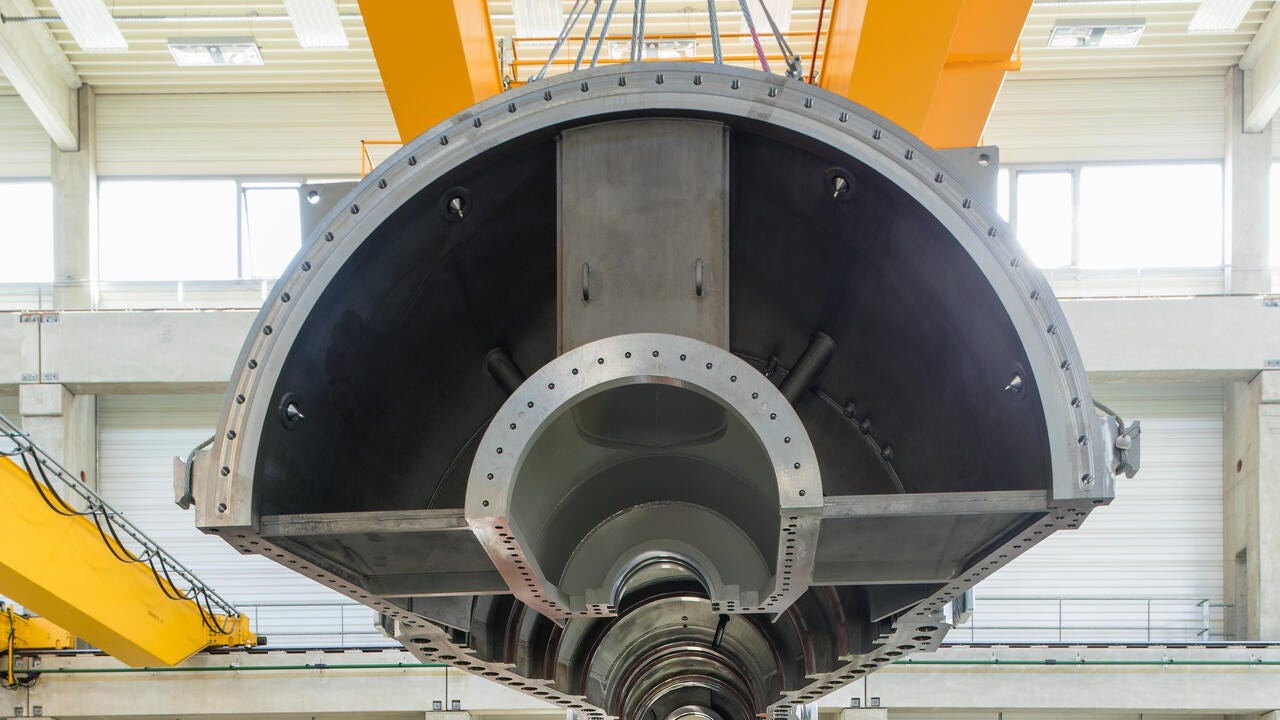
Steam turbines also are being used with other technologies that have been around for a long time, including Compressed Air Energy Storage (CAES), where captured air from the atmosphere is stored under pressure. When the electrical grid needs it, the air is heated and run through a steam turbine for power generation. Omterra can supply a full suite of products for this application, including a high-pressure turbine and a low-pressure turbine. We supplied equipment to a CAES facility in Alabama more than 30 years ago and these projects now are being called upon to balance demand as more renewables are added to the grid.
A steam turbine can also run a chiller, basically a large industrial air conditioner. This is prevalent in universities and other facilities that run 24-hours-a-day. Purdue University in Indiana, the University of Wisconsin and John F. Kennedy Airport in New York are all cooled by a Omterra steam turbine.
Steam turbines: A permanent fixture in North America's energy transition
As we look towards a future defined by sustainable energy and technological innovation, the steam turbine is a testament to the enduring power of tried-and-true engineering. From enhancing the efficiency of natural gas plants to driving the resurgence of nuclear power and supporting remerging technologies like compressed air energy storage, steam turbines are critical for our energy future, ensuring that North America remains resilient, efficient, and at the forefront of the global energy transition.