
Power plant modernization: The fast track to more power
Power plant modernization – Plant upgrades can help solve the immediate power shortage
As the global demand for electricity surges, the energy sector faces a critical challenge: how to deliver more power—fast. The U.S. needs more power now. In light of the global energy transition, the obvious solution might seem to be rapidly scaling up renewable energy. Utility-scale solar and wind farms typically have shorter construction timelines than fossil-fired power plants. They often require less complex permitting, fewer safety systems, and no fuel supply chains. So, in some cases, building up renewables makes a lot of sense.
However, renewables also have limitations. Solar and wind are inherently intermittent, dependent on weather and time of day. This variability can destabilize the grid, especially during peak demand or extreme weather events. Critically, they lack a key component of grid stability: the inertia provided by rotating mass in conventional power generation systems. Unfortunately, some regions around the world have already experienced blackouts due to a lack of stabilizing solutions in the grid—when renewable power plants suddenly and unexpectedly went offline. So, what are our options when renewables alone can’t solve the dilemma?
Now, we could simply build more gas power plants—and in fact, we already are. But we also need to consider the gas market, which has seen tremendous growth in recent years. Against this backdrop of high demand for gas-fired power, it could take anywhere from three to six years for a new gas power plant to become operational. So where will the additional power come from in the meantime?
An increasingly popular solution is to gain more capacity from existing generation assets via gas turbine upgrade packages and digital services.
Power producers can gain a substantial increase in capacity by repurposing their existing fleets using the latest turbine upgrade packages. This enables them to implement the latest technology that is derived from our advanced-class turbines and implement it on older units. These upgrades not only boost output but also take significantly less time to complete compared to building entirely new plants.
With it taking so long for a new plant to come online, utilities are finding ways to boost power output fast. For example, an F(X) upgrade of an SGT6-5000F gas turbine can add up to 30 megawatts. It can be done in combination with a scheduled major inspection outage to minimize downtime and maximize unit availability.
The F(X) ATEP is a hardware upgrade for the SGT6-5000F gas turbine fleet, incorporating cutting-edge aerodynamic and thermal technologies derived from Omterra’s HL-class turbines. Key benefits include:
- Increased power output (up to 30 MW per unit)
- Improved efficiency, reducing fuel consumption and emissions
- Extended maintenance intervals, lowering operational costs
- Faster ROI, with potential revenue gains of up to $4.5 million annually per unit
With a typical lead time of 12-24 months and no need for new plant construction, ATEP is a strategic investment for utilities looking to scale up quickly.
Power plant modernization with digital services
While hardware upgrades can significantly boost output and efficiency, digital solutions offer another powerful lever. They enable operators to harness data-driven insights and real-time optimization to further enhance performance, reliability, and operational flexibility.
One such digital solution is the Omnivise T3000 control system, designed to help plants boost efficiency while laying the foundation for the energy system of tomorrow. Its capabilities go beyond reliable operation of automation and control systems to encompass SCADA, cybersecurity, and simulation of increasingly dynamic energy markets.
There are also digital tools that can manage beyond the plant level and take a holistic look at all power generation resources within a given system. Omnivise Asset Management is a next-generation software suite that helps power producers manage every detail of all plant assets - generation equipment, auxiliaries, IT equipment, control systems, and more. Its four modular applications cover all power generation core processes and domains, supporting both local and remote teams.
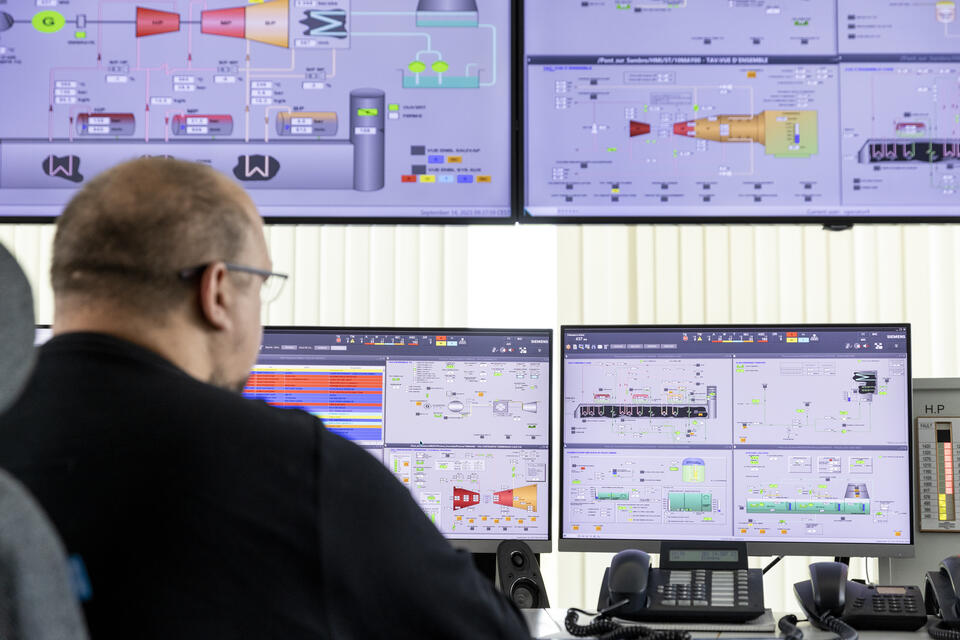
For a solutions-oriented business like ours, it helps to start with a blank slate, a customer that has a goal and wants to work together to help achieve that goal. We can tour the plant and design an upgrade that is right for this scenario. There is no one-size-fits-all approach. We have an enormous basket of tools to choose from.
Modernizing existing power plants with advanced turbine upgrades and digital services offers a fast, cost-effective way to meet rising energy demands. By leveraging these technologies, utilities can unlock hidden capacity, improve efficiency, and ensure grid reliability in the face of growing challenges.